Driving Practice: The Best Times of Day and Why Timing is Everything
Learning to drive is about more than just mastering the pedals; it’s about mastering the environment. Choosing the right time to practice can significantly accelerate your learning curve, reduce anxiety, and prepare you for the realities of the road.
1. Early Morning (6:00 AM – 8:00 AM): The Quiet Start
For absolute beginners, the early morning is often the "Golden Hour."
- The Benefit: Roads are generally quieter before the main rush hour begins.
- Why It Matters: Low traffic volume allows you to focus on vehicle control—like smooth braking and steering—without the pressure of impatient drivers behind you.
- SEO Tip: If you're practicing in a specific area, mention local landmarks or quiet residential pockets.
2. Mid-Morning to Early Afternoon (10:00 AM – 2:00 PM): The Consistency Window
This is the "sweet spot" for most learners.
- The Benefit: The morning rush has subsided, and the school-run traffic hasn't started yet.
- Why It Matters: You get a mix of light-to-moderate traffic, which helps you practice lane changes and roundabouts with enough "real world" context to learn, but not enough to overwhelm.
- Visibility: Full daylight provides the best visibility for checking mirrors and identifying hazards.
3. Evening and Night (After 7:00 PM): Mastering the Dark
You shouldn't wait until you have your license to drive at night.
- The Benefit: Reduced traffic, but a completely different visual environment.
- Why It Matters: Practicing at night teaches you how to manage glare from oncoming headlights and how to rely on road markings when visibility is low. It’s a vital skill for the driving test and beyond.
Strategic Times to Avoid (Unless You’re Advanced)
- School Zones (8:00 AM – 9:30 AM & 2:30 PM – 4:00 PM): High pedestrian activity and strict speed limits make these areas high-stress for beginners.
- Friday Afternoon Rush: Drivers are often tired and impatient to get home, leading to more aggressive road behavior.
Why Does Timing Matter for Your Progress?
Practicing at different times exposes you to Variable Road Conditions. A driver who only practices on quiet Sunday mornings will be unprepared for the complexity of a rainy Tuesday afternoon.
By Varying Your Practice Times, You:
- Build Confidence: Gradually moving from quiet to busy roads prevents "learner burnout."
- Improve Hazard Perception: Different times of day present different risks (e.g., cyclists in the morning, pedestrians at night).
- Prepare for the Test: Driving tests occur at various times throughout the day; you need to be comfortable in all of them.
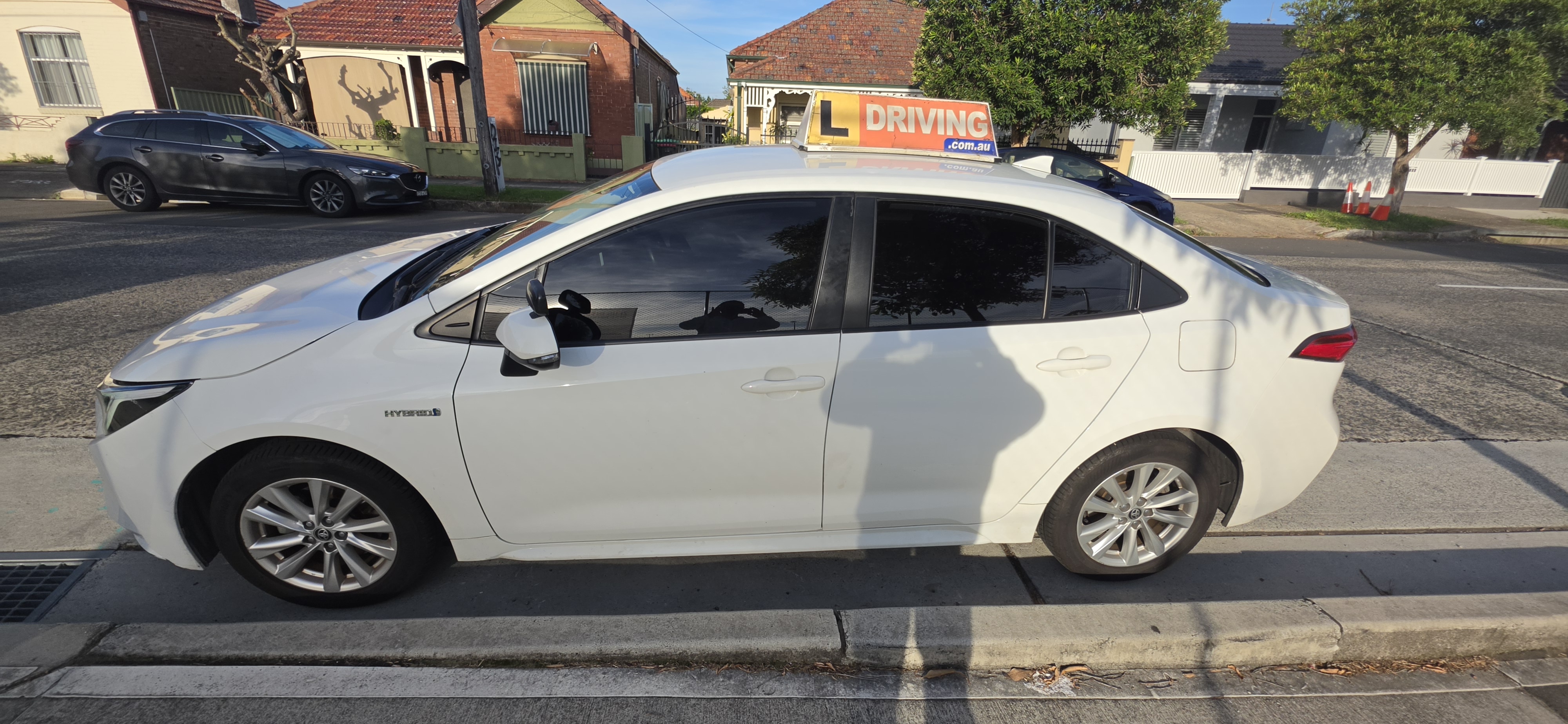
White Toyota corola l driving school car parked for driving lesson