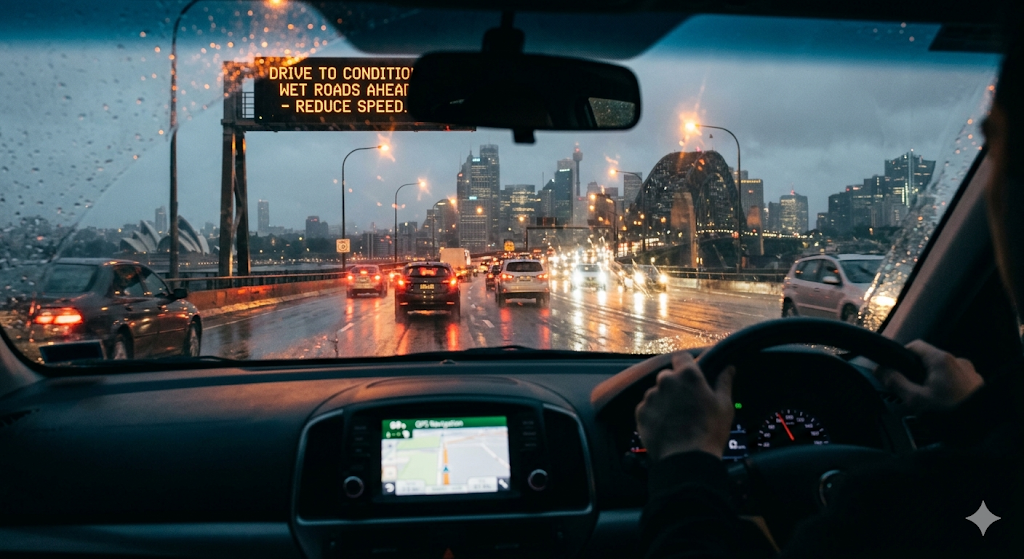
Understanding "Drive to Condition": The Key to Safe Driving in Sydney
What This Article Covers
This guide explores the essential concept of "driving to condition" and why it is the hallmark of a responsible driver. Whether you are a learner looking for driving lessons in Sydney or an experienced driver navigating the CBD, mastering this skill is vital for road safety.
Why Driving to Condition Matters
Many learners assume that as long as they don't exceed the speed limit, they are driving safely. However, any expert driving instructor in Sydney will tell you that the numbers on a sign are only intended for "perfect" scenarios.
At L Driver Training School, we teach our students that safe driving involves high-level hazard perception and proactive decision-making. "Drive to condition" means adjusting your behavior based on the environment around you, ensuring you remain in total control of the vehicle regardless of external factors.
What Does “Drive to Condition” Actually Mean?
In short: Adapt your driving to the current environment, not just the rules.
Speed limits are set for ideal conditions: dry roads, clear visibility, and light traffic. When these factors change, the "safe" speed often drops well below the posted limit. Driving to condition involves:
• Adjusting Speed: Slowing down during heavy rain or in high-pedestrian areas like the Inner West.
• Increasing Gap: Maintaining a larger following distance on slippery surfaces.
• Heightened Awareness: Scanning for hazards in low-visibility situations like fog or twilight.
Common Scenarios for Sydney Drivers
To pass your driving test in NSW, you must demonstrate that you can react to changing environments. Here are the most common conditions you'll encounter:
1. Weather Conditions
Sydney weather can be unpredictable. Wet roads significantly increase stopping distances, and glare from the afternoon sun can impact your vision. When the weather turns, you should:
• Slow down immediately.
• Turn on your headlights.
• Double your following distance to at least 4 seconds.
2. Road & Traffic Conditions
From the narrow streets of the city to construction zones in the suburbs, road surfaces change constantly.
• Heavy Traffic: During peak hour, "driving to condition" means staying patient and keeping a safe buffer.
• School Zones: These are high-risk areas where you must be ready for unpredictable movements from children.
3. Driver Condition
Your own physical and mental state is a "condition." If you are fatigued, stressed, or distracted, your reaction time drops. A safe driver recognizes when they aren't at 100% and adjusts by taking a break or increasing their vigilance.
Building the Habit of Defensive Driving
"Driving to condition" isn't a one-time lesson; it’s a mindset. At L Driver Training School, we help learners build this habit through:
• Constant Scanning: Training your eyes to look 15-20 seconds ahead.
• Risk Anticipation: Learning to "read" the behavior of other drivers.
• Safe Buffer Zones: Maintaining space around your vehicle at all times.
Expert Tip: If you're feeling unsure about a specific road condition, the safest move is always to slow down and increase your space.
•
• Ready to Become a Confident Driver?
• Mastering the art of driving to condition is the best way to ensure you're a safe driver for life. Whether you need a refresher course, help with NSW driving test preparation, or your very first lesson, our team is here to help.
• Book your driving lessons with L Driver Training School today and master the Sydney roads with confidence.
• Contact L Driver Training School
• Website:ldriving.com.au
• Phone: 0477 111 444
• Services: Automatic & Manual Lessons, Test Preparation, Safer Drivers Course.